Category: Technology

  • How Do I Know if my Cloud Storage is Secure?

    How Do I Know if my Cloud Storage is Secure?

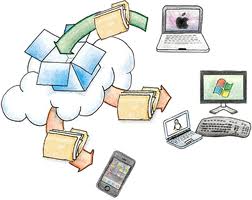
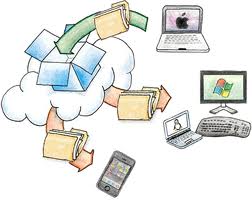
    cloud storageI am a big fan of cloud storage services. It’s magic to me, the way that the photos that I take with my cell phone appear on my PC when I get home, without having to plug anything in. And to have all of my work from my desktop PC available to me on my laptop.

    My data is available to me alone unless I choose to share it with someone. Most cloud services encrypt the data during transfer to/from the Internet (“SSL” encryption – you’ll know it’s encrypted because of the “s” in “https”), and then again when it’s stored on their servers. So if a hacker gets into their servers, unless they can crack the encryption, my data is still private.

    The main risk is if my password gets compromised. Then anyone with my user id and password could access all of my data. If you’re concerned about cloud security, then it’s important to have a strong password, and to change it often.

    strong passwordYou’ve probably heard that term before, but what does “strong” password mean? How long does it need to be? Do you need special characters? Numbers? How many? Do you need a different password for every cloud service? How do you remember all of those passwords?

    It’s a complex subject. And unfortunately, the recommendations for “strong” passwords keep changing, as the hackers become more sophisticated.

    I recommend using a password manager. Let the experts worry about it. A password manager is a plug-in for your web browser. You can use it to generate a password and it will indicate how “strong” that password is. Once you use that password to log into your cloud service through your web browser, then you can store that password in your “password vault” that the plug-in supplies.

    The password manager is itself a cloud service, so you need a password for it. But it’s the only password that you really need to remember for all of your cloud services. I start with a word that has some personal meaning to me, add a character between syllables, a few numbers at the end (that I’m sure that I’ll remember), and then use the word in a complete phrase.

    Password managers use a extra level of security for their cloud service. Your password vault gets encrypted locally, on your own computer, and then transferred and stored on the cloud server. When you log into the service through your web browser plugin, the reverse process happens – the password vault is transferred from the cloud down to your PC, and then decrypted.

    LastPass Logo

    I use LastPass as my password manager. Other people that I know have recommended OnePassword, which works similarly.

    I believe that you can relax about your cloud security if you use a password manager and if you change your passwords regularly. The convenience of using a cloud service far surpassing the slight risk of having your privacy compromised. However I do not use cloud services for financial data, nor do I store my passwords for financial sites in my password manager. I suspect that it would be fine to do so, but I’m just not quite willing to risk it…

    If you need help setting up your cloud service or password manager, Digital Chaos Control can help! Contact us today.
  • What Everyone Ought to Know About Automatic Local and Cloud Backups

    What Everyone Ought to Know About Automatic Local and Cloud Backups

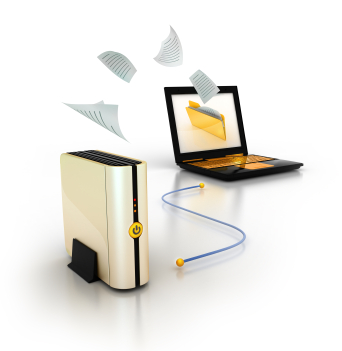
    Use a an external hard drive for local backupsYour digital data is crucially important to the quality of your life. Imagine losing all of the photos of your children, or your client information, or your financial information.

    Most of us know about backups and that we should be doing them regularly. Did you know that there continues to be new and easier ways to automate the process?

    I recommend three copies of your data:

    1. On your computer storage
    2. On external storage media
    3. In the cloud

    Use software to automate your backups.

    Software also allows you to restore your data to your computer should you ever need to. You can use “Time Machine” on the Mac, “Windows Backup and Restore” on Windows 7, “File History” on Windows 8/10, or the software that comes with your backup device. You should have external media, such as an external hard drive, connected to your computer at the times of your scheduled backups.

    Backups keep your important memories safeYou can archive your important memories to save space on your computer. Move your photo library to external storage or cloud storage. Make a second copy in a different location for backup. Then create a new photo library on your computer that you’re updating with your recent photos.


    If you use a cloud sync service such as iCloud Drive or Dropbox, keep in mind that if you delete files from one device, then you are also deleting them from your other devices.

    There are backup services that specialize in scheduled, automated backups to the cloud.

    These services tend to be more reasonably priced than the cloud sync services mentioned above for large amounts of data. Also, if you have data stored only on external media, then a cloud backup service can support automatic backups of those devices.

    Here are some cloud backup services:

    Carbonite Cloud Backups


    Price: $72/year for unlimited storage for one computer, including attached thumb drives, $112/year if you’re including an external hard drive.

    Zipcloud Cloud Backups


    Price depends on the amount of storage space. Supports external hard drives at an additional cost.

    Backblaze Cloud Backups

    Price: $60/year for unlimited storage. Supports external hard drives and thumb drives.

    Get the “Controlling the Chaos” Newsletter and receive a free PDF download
    “Drowning in Email – A Lifeline for Communications Overload”

    * indicates required


  • Photo Sharing

    CameraIn this age of digital photography, we generate tons of photos – our families, pets, vacations, school field trips, concerts, parties; the list goes on and on. The old days of getting our photos printed and into binders and scrapbooks are largely gone. It used to be fun to pull out the old photo albums and sit down with family and friends to laugh at crazy poses and faces, and to experience a shared emotion and memory of those who have passed on.

    We still have our photo albums, but they’re on our computers. And fortunately, there’s lot of ways to share our digital photo albums.

    The closest things that we have to our old binders that we can sit down and share are our portable devices – our smart phones, tablets, and laptops. It is possible to duplicate your entire photo library on a portable device if you have enough storage, but for most of us, there are just too many photos to fit. We have to manage our photo albums on our devices.

    When I travel to visit family, I go through my computer photo albums, and I pick which albums I want to bring with me. The next step to to sync those albums with my device. There are several ways to do this:

    1. Copy files – You can copy the files from the albums that you choose to your devices through USB, or to a memory card or flash drive that you move to the portable device. This is an easy option if you’re comfortable with computers and peripheral devices.

    2. USB Sync – You can use software to sync specific albums to your device. If you connect your iPhone or ipad, for example, through USB, you can use iTunes to select and sync albums. This is a great option if you use Apple devices and you’re familiar with iTunes.

    3. Cloud Sync – You can use a cloud sync service such as Dropbox or Sugar Sync to select and sync specific photo albums. These cloud services are very easy to use. You’ll have to have the software installed on both your computer and your portable device.

    4. Cloud Photo Sharing – You can use a cloud photo sharing service such as Flickr or Shutterfly to upload and share specific photo albums. Once you’ve created an account on Flickr, you can connect with it through iPhoto or Windows Live Photo Gallery and easily upload photos. You can install a Flickr app on your portable device and you’ll be able to view your albums and display slide shows whenever you have internet connectivity. You can also share the link with friends and family.

    5. Social Networks – You can use a social network such as Facebook or Google+ to upload and share specific photo albums. Your photos on Facebook won’t be full resolution, but this is a great option to show photos if you’re comfortable with Facebook and want to share only with your Facebook friends. You can also tag people in your photos.

    If you need help organizing and tagging photos, syncing with your devices, and/or setting up cloud services, Digital Chaos Control can help! Contact us today.

  • Do You Need a Cloud Service?

    Do You Need a Cloud Service?

    Cloud Storage

    You may have heard of “The Cloud”. It’s a term that basically just means Internet storage.

    Your email, for example, is a cloud service. Your email is stored on an email server, and delivered to your device(s) over the Internet. If your PC dies, or you lose your laptop, your email goes on accumulating on the server, and you can download all of the new email as well as all of the previous email, when you get back on-line.

    So that’s pretty convenient, right? Why not offer a service that does that for all of your documents, and your photos too? That way you get backup and easy retrieval when you need it. Hey, maybe you can even sync all of that data on your desktop, your laptop, and your iPad too. Wouldn’t that be cool?

    Happily, there are many cloud back-up services available that will do just that. They will automatically backup your designated data and sync that data with your other devices.

    So which cloud service to use?

    The first step in choosing a cloud service is to determine is how much storage you need. If you only want to store your important documents then a free service will be fine for you, but if you have tons of music files that you ripped from your CDs and also thousands of digital photos, then you may need a good deal of storage.

    You also want a service with the right features for you. For example, you may want to put everything in one designated folder and have it automatically backed up, or you may want a service that can sync your existing folder structure. And the software needs to be compatible with all of your devices.

    Here’s a summary of some of the cloud services. All of these services support Mac, PC, and iOS, and all except iCloud support Android.


    iCloudiCloud:

    Storage: 5GB free; $9.99/month for 1TB

    Features: automatic backup of iPhone and iPad; automatic sync of calendars, notes, and contacts; automatic sync of all content stored on iCloud Drive; automatic sync of all photos stored in iCloud Photo Library


    Google Drive Cloud StorageGoogle Drive:

    Storage: 15GB free; $9.99/month for 1TB

    Features: Automatic sync of all content stored on Google Drive; automatic upload for mobile photos


    Microsoft OneDrive Cloud StorageMicrosoft OneDrive:

    Storage: 5GB free, $1.99/month for 50GB; $6.99/month for 1TB of personal storage when subscribing to Office 365

    Features: Automatic sync of all content stored on OneDrive; automatic upload for mobile photos


    Dropbox Cloud StorageDropbox:

    Storage: 2GB free; $9.99/month for 1TB

    Features: Automatic sync of all content stored in the Dropbox folder; automatic upload for mobile photos


    SugarSync Cloud StorageSugarSync:

    Storage: 5GB free; $9.99/month for 250GB

    Features: Automatic sync of all content in designated folders; automatic upload for mobile photos


    There are also dedicated services for music and photos if you don’t want to pay for an all-in-one service. I’ll be writing about those services in an upcoming post, so check back soon!

    Need help with cloud services? Contact me.